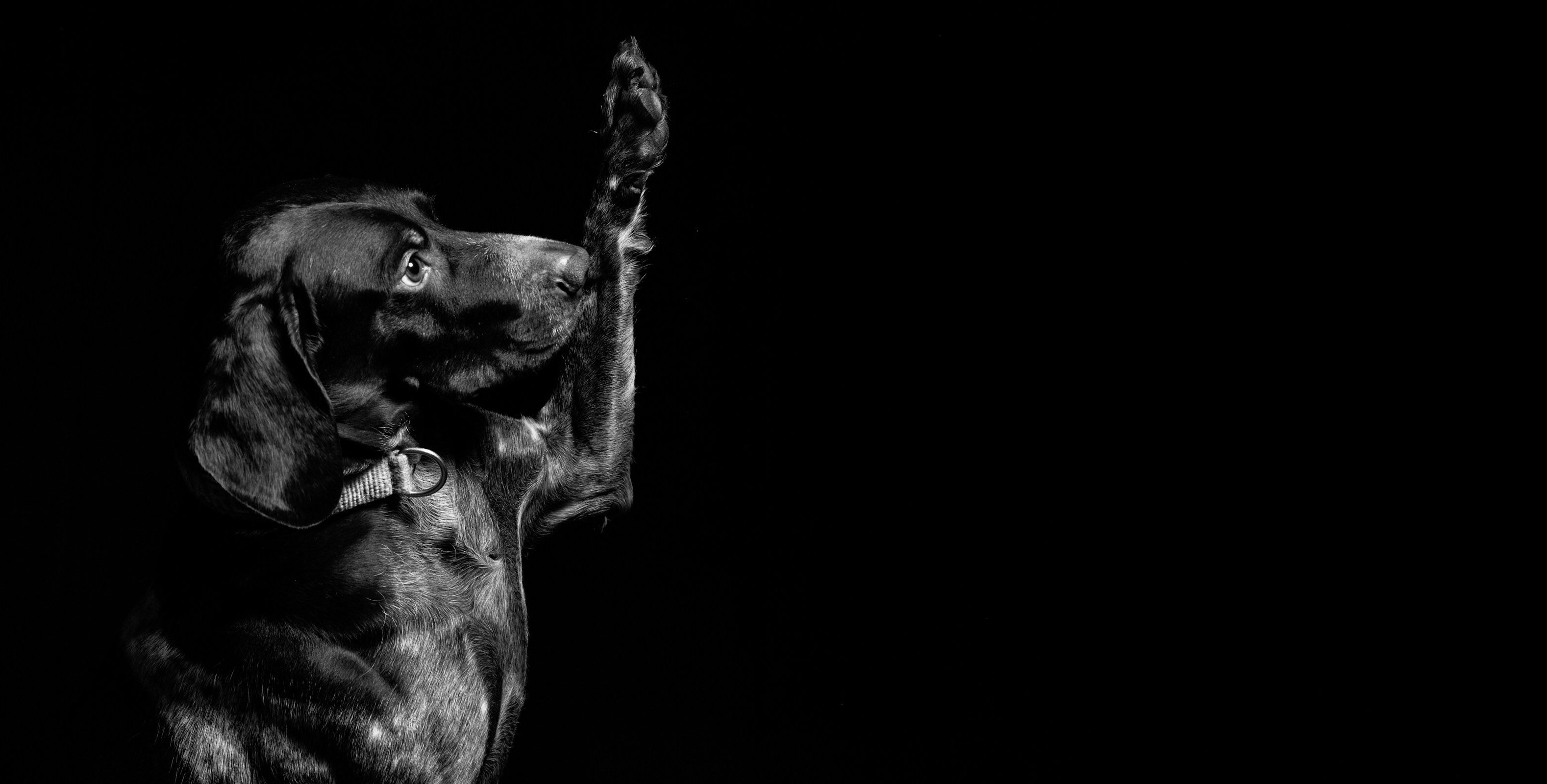
How Dogs Experience the World Through Smell
How Dogs Experience the World Through Smell
How Dogs Experience the World Through Smell
A dog’s nose gathers an extraordinary amount of information, turning every walk into a rich map of people, animals, places, and time.
A dog’s nose gathers an extraordinary amount of information, turning every walk into a rich map of people, animals, places, and time.
A Nose Built for Information
Dogs meet the world through scent. Where people first notice color, shape, and sound, a dog often gathers a detailed story through the nose: who passed by, how recently they were there, what they touched, and whether something in the environment has changed.
Sniffing is an active process. Dogs move air through the nostrils, compare scent from different directions, and follow tiny changes along a trail. Wet surfaces around the nose help capture odor particles, while the brain devotes significant attention to interpreting them.
Breed, age, health, weather, and experience all influence scent ability. Even so, every dog can benefit from opportunities to investigate safely at their own pace.
Why Sniffing Matters on Walks
A walk is not only physical exercise. Pausing at a tree, fence post, or patch of grass provides mental stimulation and information about the neighborhood. A slow scent-focused walk may leave a dog pleasantly tired even when the distance is short.
Allow extra time in safe areas instead of pulling your dog away from every interesting smell. Use a comfortable harness and a longer leash where local rules and surroundings permit. Alternate purposeful walking with sections where your dog can choose the route and pace.
Sniffing may also help an excited dog settle before passing another dog or entering a busy place. Keep enough distance for relaxed exploration, and avoid forcing greetings.
Simple Scent Games at Home
Start with an easy “find it” game. Let your dog watch you place a few treats on the floor, then give a consistent cue and encourage searching. Gradually hide treats behind a chair leg, under the edge of a towel, or inside an open cardboard box.
A scatter feed in the garden or on a snuffle mat turns part of a meal into an enrichment activity. You can also hide a favorite toy in another room or create a short trail with tiny food rewards.
Increase difficulty slowly. Use only pet-safe objects, remove packaging and sharp pieces, and supervise dogs that chew or swallow non-food items. The goal is calm problem-solving, not frustration.
Supporting Senior or Anxious Dogs
Scent games can be adapted for dogs with limited mobility. Place rewards at nose height, use non-slip flooring, and keep search areas small. Older dogs may enjoy several short rounds with rest in between rather than one long session.
For anxious dogs, familiar scent activities can create a predictable routine. Begin in a quiet room with easy finds. If the dog stops taking food, pants heavily, scans the room, or cannot focus, reduce difficulty and remove distractions.
A sudden loss of interest in sniffing, food, or favorite activities may be a sign that your dog feels unwell. Changes in breathing, nasal discharge, repeated sneezing, or facial swelling should be discussed with a veterinarian.
Let Your Dog Lead Sometimes
People naturally focus on reaching a destination, while dogs often value the journey. Choose one walk each week where distance is not the goal. Follow your dog’s safe choices, pause when they pause, and observe what attracts their attention.
This does not mean allowing unsafe behavior. Prevent access to traffic, unknown food, chemicals, wildlife waste, and areas where dogs are not permitted. A clear cue such as “leave it” remains important, but it can exist alongside generous opportunities to explore.
Giving a dog time to sniff supports natural behavior, builds confidence, and adds variety to daily life. Sometimes the richest adventure is not a long hike; it is ten unhurried minutes discovering the stories hidden on an ordinary street.
A Nose Built for Information
Dogs meet the world through scent. Where people first notice color, shape, and sound, a dog often gathers a detailed story through the nose: who passed by, how recently they were there, what they touched, and whether something in the environment has changed.
Sniffing is an active process. Dogs move air through the nostrils, compare scent from different directions, and follow tiny changes along a trail. Wet surfaces around the nose help capture odor particles, while the brain devotes significant attention to interpreting them.
Breed, age, health, weather, and experience all influence scent ability. Even so, every dog can benefit from opportunities to investigate safely at their own pace.
Why Sniffing Matters on Walks
A walk is not only physical exercise. Pausing at a tree, fence post, or patch of grass provides mental stimulation and information about the neighborhood. A slow scent-focused walk may leave a dog pleasantly tired even when the distance is short.
Allow extra time in safe areas instead of pulling your dog away from every interesting smell. Use a comfortable harness and a longer leash where local rules and surroundings permit. Alternate purposeful walking with sections where your dog can choose the route and pace.
Sniffing may also help an excited dog settle before passing another dog or entering a busy place. Keep enough distance for relaxed exploration, and avoid forcing greetings.
Simple Scent Games at Home
Start with an easy “find it” game. Let your dog watch you place a few treats on the floor, then give a consistent cue and encourage searching. Gradually hide treats behind a chair leg, under the edge of a towel, or inside an open cardboard box.
A scatter feed in the garden or on a snuffle mat turns part of a meal into an enrichment activity. You can also hide a favorite toy in another room or create a short trail with tiny food rewards.
Increase difficulty slowly. Use only pet-safe objects, remove packaging and sharp pieces, and supervise dogs that chew or swallow non-food items. The goal is calm problem-solving, not frustration.
Supporting Senior or Anxious Dogs
Scent games can be adapted for dogs with limited mobility. Place rewards at nose height, use non-slip flooring, and keep search areas small. Older dogs may enjoy several short rounds with rest in between rather than one long session.
For anxious dogs, familiar scent activities can create a predictable routine. Begin in a quiet room with easy finds. If the dog stops taking food, pants heavily, scans the room, or cannot focus, reduce difficulty and remove distractions.
A sudden loss of interest in sniffing, food, or favorite activities may be a sign that your dog feels unwell. Changes in breathing, nasal discharge, repeated sneezing, or facial swelling should be discussed with a veterinarian.
Let Your Dog Lead Sometimes
People naturally focus on reaching a destination, while dogs often value the journey. Choose one walk each week where distance is not the goal. Follow your dog’s safe choices, pause when they pause, and observe what attracts their attention.
This does not mean allowing unsafe behavior. Prevent access to traffic, unknown food, chemicals, wildlife waste, and areas where dogs are not permitted. A clear cue such as “leave it” remains important, but it can exist alongside generous opportunities to explore.
Giving a dog time to sniff supports natural behavior, builds confidence, and adds variety to daily life. Sometimes the richest adventure is not a long hike; it is ten unhurried minutes discovering the stories hidden on an ordinary street.